Creating Resilient Landscapes: Designing for Climate Adaptability May 31, 2026
To begin your journey toward a climate-resilient landscape, it is important to understand what this entails. A climate-adaptive landscape is one that remains robust in the face of fluctuating weather conditions, be it drought, heavy rainfall, or extreme temperatures. By integrating specific plants and strategic designs, your yard can thrive regardless of the climate challenges it may face.
One effective method for achieving this is selecting native plants that are naturally more adaptable to local conditions. Native plants have evolved to grow in harmony with the local ecosystem, requiring less water and maintenance compared to non-native species. For instance, in coastal or arid areas, consider incorporating drought-resistant species like succulents or ornamental grasses that can survive with minimal watering. This not only conserves water but also ensures year-round vitality of your garden.
In addition to choosing the right plants, smart irrigation practices are key to sustainable landscaping. Implementing drip irrigation systems can significantly reduce water usage while providing targeted hydration to plants. These systems deliver water directly to the roots, minimizing evaporation and ensuring efficient water use. Moreover, setting up rain sensors can prevent overwatering during wet periods, protecting your plants from root rot and saving you money on water bills.
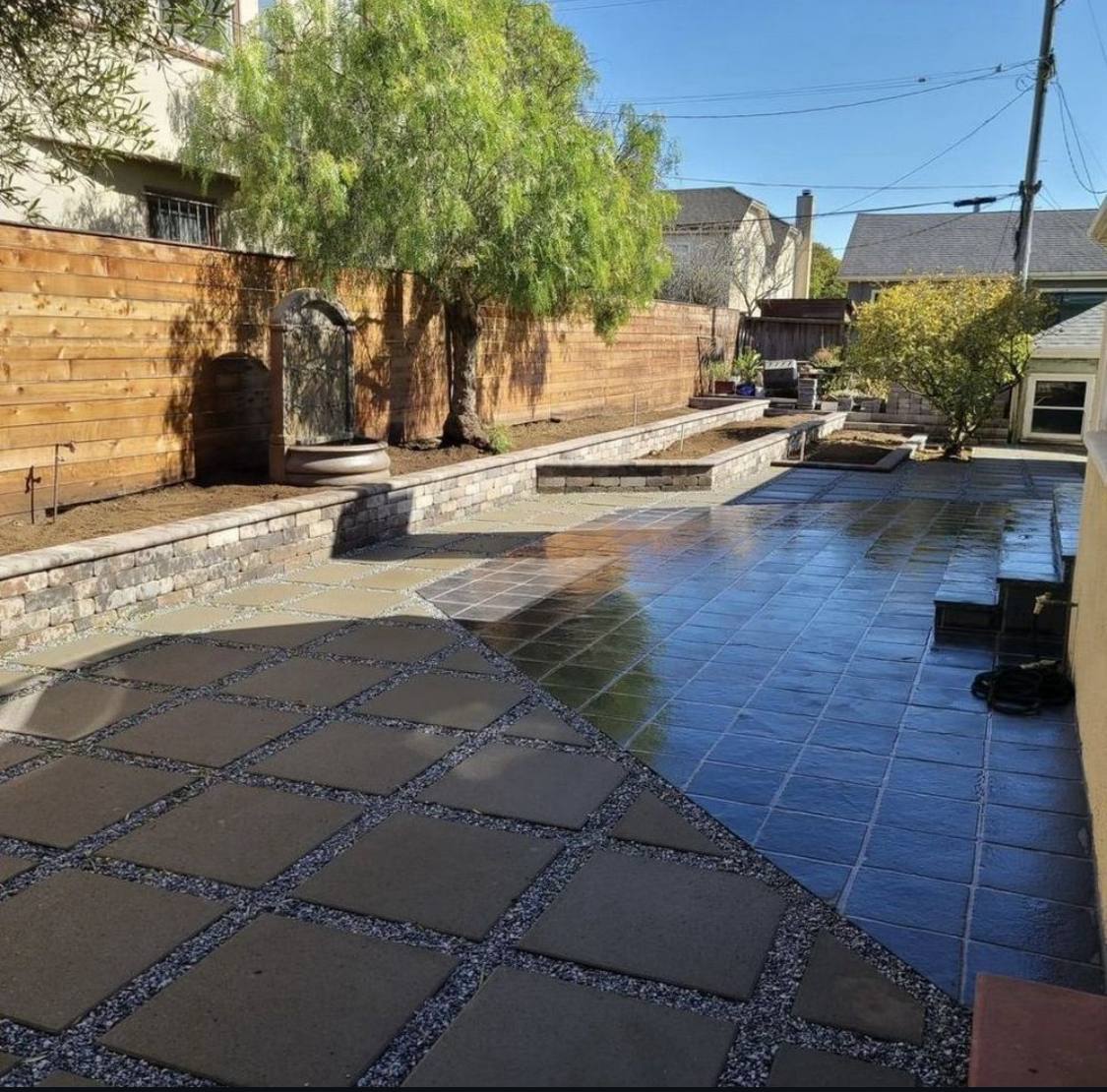
Another crucial aspect of designing for climate adaptability is considering the layout and structure of your landscape. Hardscaping can play an essential role here. By incorporating permeable surfaces such as gravel, pavers, or porous concrete, you can manage stormwater runoff effectively. These surfaces allow rainwater to seep into the ground rather than pooling on the surface, reducing the risk of flooding and erosion.
Mulching is another practice that can enhance resilience. Mulch acts as an insulating layer, keeping soil temperatures stable and retaining moisture during dry spells. It also suppresses weed growth, reducing the need for chemical herbicides. Organic mulch, like bark or wood chips, can further enrich the soil as it breaks down, promoting plant health.
Furthermore, designing gardens with diverse plant species can create a balanced ecosystem, promoting biodiversity amidst changing climates. A diverse plant palette can support a wide range of wildlife, from beneficial insects to birds, helping to maintain a stable ecological environment. This biodiversity can act as a natural defense against pests and diseases, reducing the need for synthetic pesticides.
As you embark on the journey of creating a resilient landscape, Bay Breeze Landscaping Inc is here to assist every step of the way. Our team of experts can help you choose the right plants, design efficient irrigation systems, and create a layout that embraces both beauty and resilience.
In conclusion, designing a climate-adaptive landscape requires a strategic approach, combining plant selection, smart water management, and thoughtful layout planning. By taking these steps, you can ensure that your outdoor space not only survives but thrives amidst climate challenges. Embrace the power of resilient landscaping and contribute to a sustainable future while enjoying the enduring allure of your garden. As climate patterns continue to evolve, adapting our landscapes is a proactive step towards sustainability, resilience, and beauty.
/filters:no_upscale()/filters:format(webp)/media/37d3ce08-a629-4c9e-8311-caef8a143ece.jpeg)
/filters:no_upscale()/filters:format(webp)/media/f5fe88d3-7af4-451c-9e81-ec44866f4daa.jpeg)