Sustainable Landscaping Practices for a Greener Tomorrow Dec 23, 2025
First, the cornerstone of sustainable landscaping is understanding the natural ecosystem of your area. This involves choosing native plants that thrive in the local climate, require less water, and offer a natural habitat for wildlife. Native plants are adapted to the local soil and weather conditions, reducing the need for chemical fertilizers and extensive watering. They also provide food and shelter to indigenous wildlife, promoting biodiversity.
Efficient water usage is another crucial aspect of sustainable landscaping. Implementing smart irrigation systems can significantly reduce water wastage. Drip irrigation, for instance, delivers water directly to plant roots, minimizing evaporation and runoff. Additionally, harvesting rainwater not only conserves water but also provides plants with nutrient-rich hydration. Consider installing rain barrels to collect water from your roof, thereby reducing your dependency on municipal water sources.
Soil health is often overlooked, yet it's instrumental in sustainable landscaping. Healthy soil is alive with microorganisms that are critical for plant growth. Composting is an excellent way to improve soil health and reduce waste. By composting kitchen scraps and garden waste, you create nutrient-rich soil amendments that enhance soil structure, retain moisture, and foster robust plant health.
Using organic mulches is another beneficial practice. Mulches such as wood chips, bark, or straw can keep the soil cool, retain moisture, and suppress weed growth. As they decompose, they add organic material to the soil, further improving its quality. When choosing mulch, ensure it's free from chemical treatments to maintain its eco-friendly benefits.
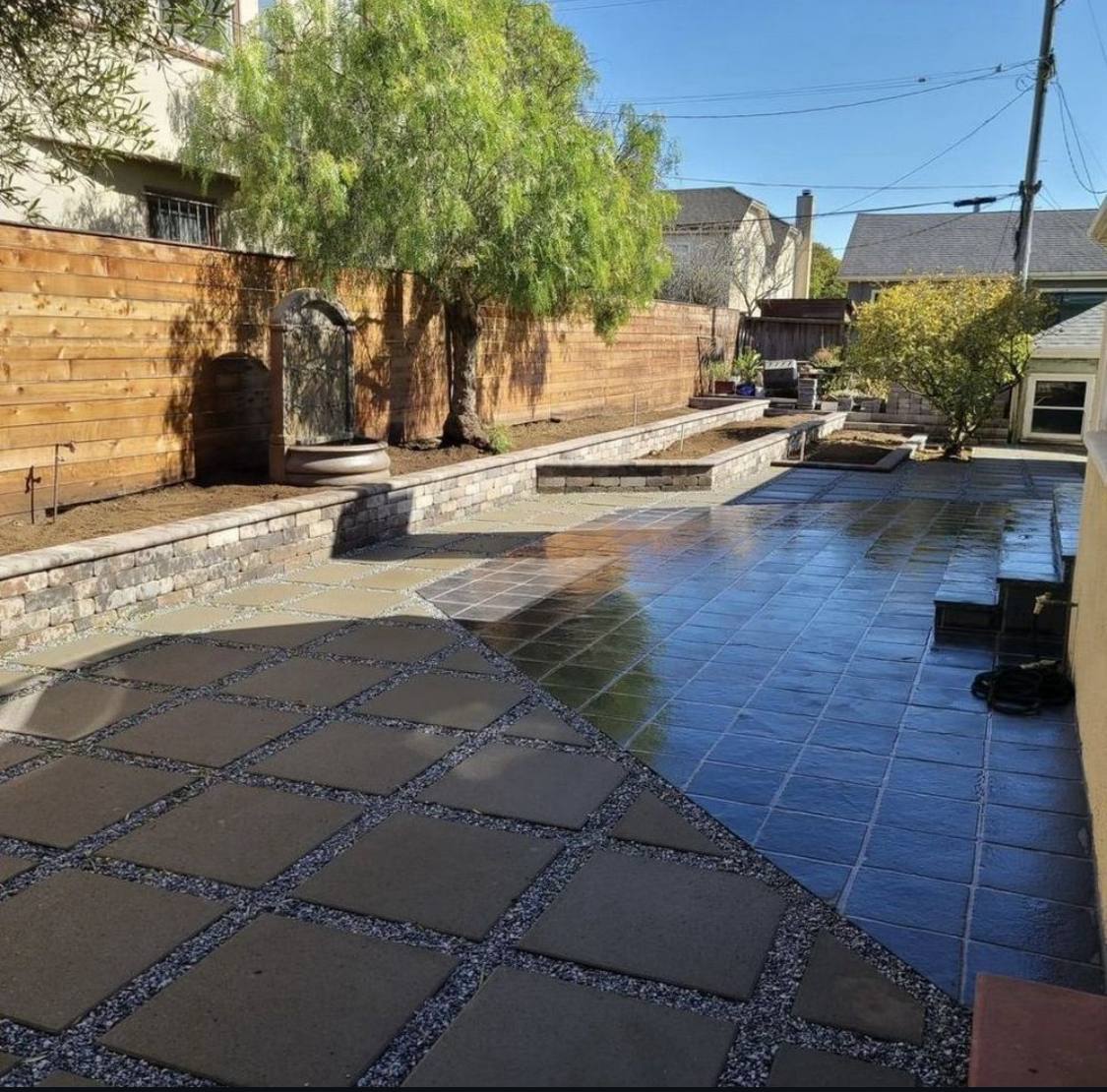
Sustainable hardscaping is equally important in achieving a green landscape. Opt for permeable paving materials such as gravel, porous concrete, or pavers with spacing to allow water to percolate into the ground. This practice helps mitigate stormwater runoff, preventing erosion and promoting groundwater recharge. Hardscape features like patios and walkways can be constructed using recycled or locally sourced materials, reducing the environmental impact associated with transportation and production.
Furthermore, an integral part of sustainable landscaping is integrating energy-efficient outdoor lighting. LED lights consume less energy and have a longer lifespan than traditional bulbs. Installing solar lights is another sustainable choice, utilizing renewable energy from the sun to illuminate your landscape.
While implementing these sustainable practices may require an initial investment, the long-term benefits for both the environment and your wallet are substantial. You can save on water and energy bills, reduce maintenance costs, and most importantly, contribute to a healthier planet.
In conclusion, sustainable landscaping is an investment in the future. At Bay Breeze Landscaping Inc, we are committed to helping our clients cultivate gardens that are not only visually stunning but also environmentally responsible. By adopting these eco-friendly practices, you can enjoy a beautiful, sustainable landscape year-round. Let us help you create a greener tomorrow, one garden at a time.
/filters:no_upscale()/filters:format(webp)/media/37d3ce08-a629-4c9e-8311-caef8a143ece.jpeg)
/filters:no_upscale()/filters:format(webp)/media/f5fe88d3-7af4-451c-9e81-ec44866f4daa.jpeg)