Sustainable Landscaping Solutions to Enhance Your Home's Curb Appeal Dec 20, 2025
One of the most effective ways to adopt sustainability in your outdoor space is through xeriscaping. This approach involves designing landscapes to reduce or eliminate the need for irrigation. By using drought-resistant plants, you can save significant water resources while maintaining a vibrant garden. Native plants are naturally adapted to your region's climate, requiring less water and care. Ornamental grasses, succulents, and perennial favorites are great choices that offer both beauty and resilience.
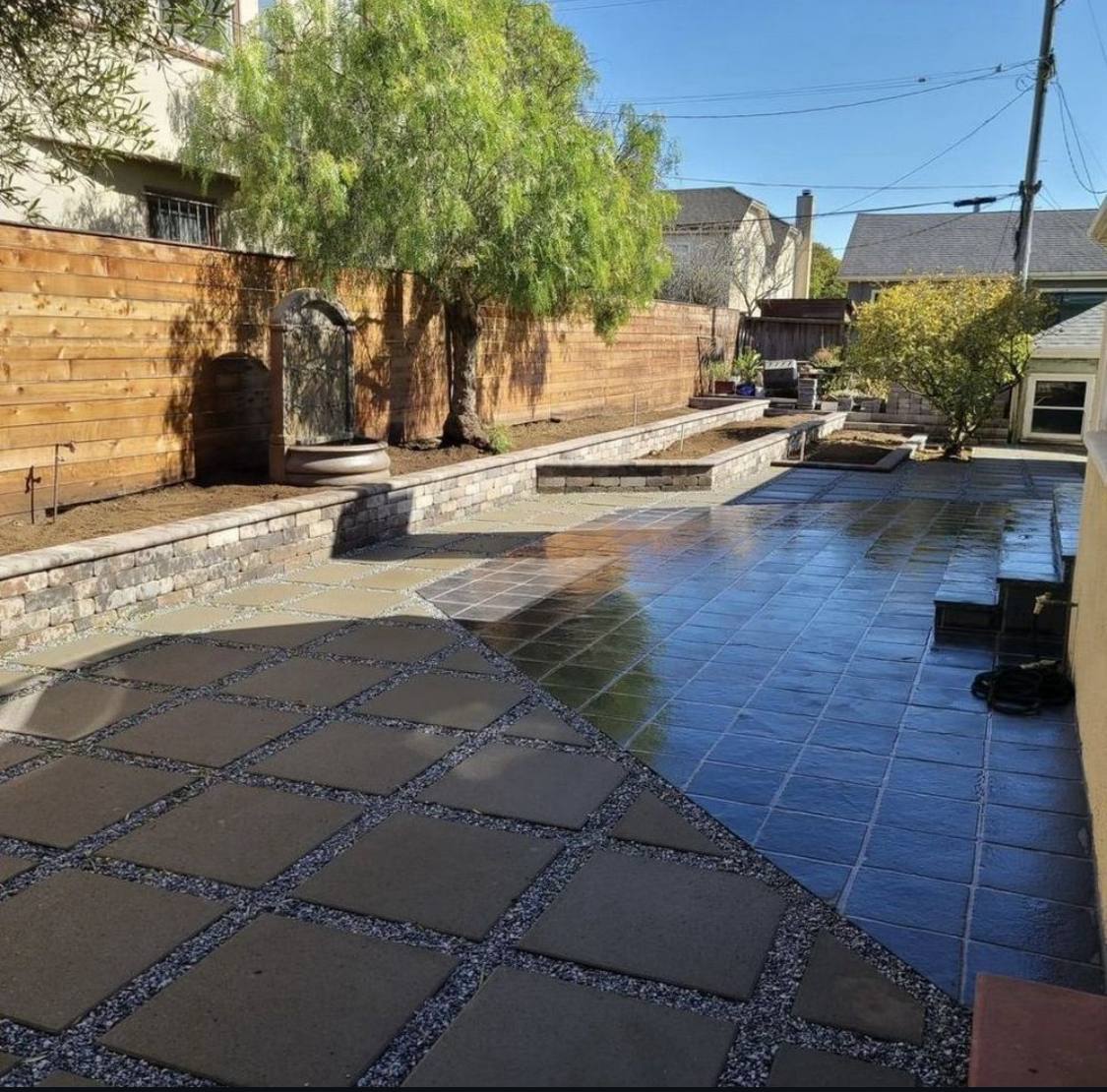
Incorporating permeable surfaces is another sustainable strategy that offers both environmental and aesthetic benefits. Unlike traditional paving, permeable surfaces such as gravel, permeable pavers, or crushed stone allow water to seep through, reducing runoff and promoting groundwater recharge. This helps prevent erosion and minimizes the impact on local water systems. Additionally, these materials come in various colors and textures, adding visual interest to your hardscape designs.
Composting is an excellent way to recycle yard waste and improve soil quality. By turning organic matter into rich compost, you enrich your soil with nutrients, enhancing plant growth without the need for chemical fertilizers. Create a designated compost area in your yard where you can deposit leaves, grass clippings, and kitchen scraps. In no time, you’ll have a natural fertilizer that contributes to healthier plants and reduced waste.
Water conservation remains a crucial aspect of sustainable landscaping. Efficient irrigation systems like drip irrigation target the root zones directly, minimizing water wastage. Consider installing rain barrels to collect rainwater, providing an eco-friendly water source for your garden. Adjusting your watering schedule to early mornings or late evenings can also reduce evaporation, making your watering efforts more effective.
A well-planned landscape should include multi-functional plants that support local ecosystems. Pollinator-friendly plants not only provide food and habitat for bees, butterflies, and other beneficial insects but also bring vibrant colors to your garden. Lavender, sunflowers, and coneflowers are excellent choices for attracting pollinators while offering a stunning visual display.
Finally, incorporating renewable materials into your landscaping projects can enhance sustainability. Reclaimed wood, recycled concrete, and stone can be used in various ways, from constructing garden paths to creating raised beds. These materials add character and charm to your landscape while promoting a cycle of reuse and waste reduction.
In conclusion, by implementing sustainable landscaping solutions, you can boost your home's curb appeal while contributing positively to the environment. At Bay Breeze Landscaping Inc., we are committed to helping you achieve the perfect balance between beauty and ecological responsibility. Whether you’re starting from scratch or modifying an existing landscape, our expert team is here to guide you every step of the way. Contact us today to learn more about our sustainable landscaping services and let us help you create a more eco-friendly outdoor space.
/filters:no_upscale()/filters:format(webp)/media/37d3ce08-a629-4c9e-8311-caef8a143ece.jpeg)
/filters:no_upscale()/filters:format(webp)/media/f5fe88d3-7af4-451c-9e81-ec44866f4daa.jpeg)