The Secret to Low-Maintenance Gardens: Expert Landscape Tips Jan 10, 2026
Start by considering native plants. Native plants are a cornerstone of low-maintenance gardening because they are perfectly adapted to your local climate and soil. They require less water, fertilizer, and pesticides. Additionally, they support local wildlife such as bees and butterflies, adding an ecological benefit to your garden. For clients in our region, we often suggest considering options like coneflowers, yarrow, or switchgrass, each bringing color and texture with minimal fuss.
Efficient irrigation systems are another key to successful, low-maintenance gardens. Drip irrigation systems, for example, provide water directly to the base of plants, reducing water wastage while ensuring plants receive consistent moisture. This reduces the need for you to manually water your garden and helps prevent issues like fungal diseases that can arise from wet foliage.
Mulching is a powerful tool that complements your gardening efforts. Mulch helps retain soil moisture, suppresses weeds, and adds nutrients back into the soil as it breaks down. Organic mulches, such as wood chips or bark, are particularly beneficial. Lay a layer of mulch around your plants, especially before any dry seasons, to ensure your garden remains hydrated and weed-free with minimal effort.
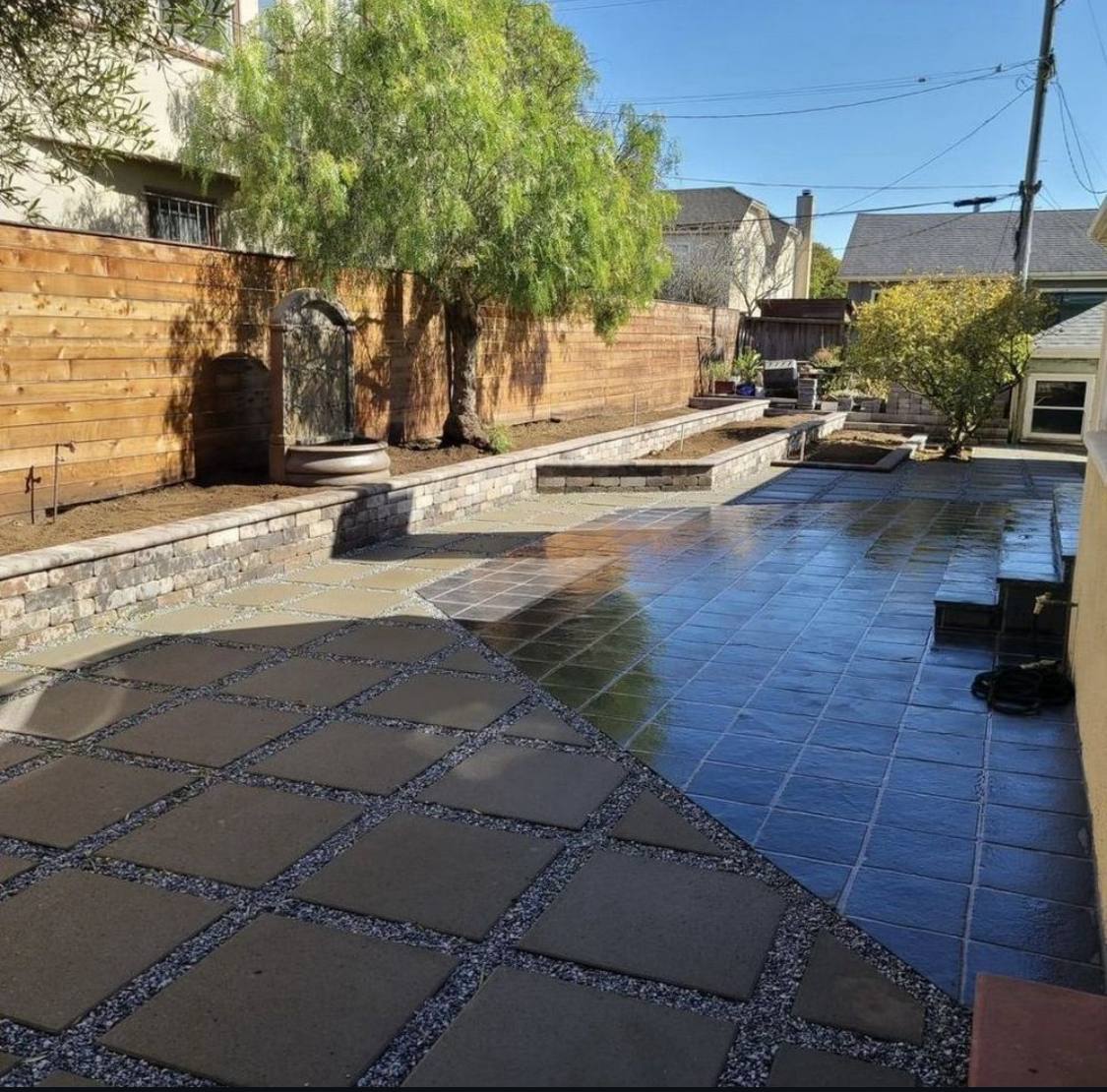
Structuring your garden with hardscape elements can drastically reduce maintenance. Incorporate pathways, patios, or retaining walls using materials like stone, brick, or wood. Hardscape not only reduces the area that needs weeding but also adds visual interest and practicality to your space. With a well-designed balance of softscape and hardscape, your garden not only becomes easier to care for but also more enjoyable to use.
For the truly maintenance-averse, opting for a perennial garden is a smart choice. Perennials come back year after year, requiring far less work than seasonal planting. Once established, many perennials such as lavender, daylilies, and peonies flourish with minimal care. They require much less attention and can provide consistent beauty throughout the growing season.
Consider grouping plants according to their water, sunlight, and soil needs. This technique, known as hydrozoning, allows you to water more efficiently and ensures each plant receives the care it specifically needs without extra effort. This strategic grouping not only reduces wastage but also helps in maintaining plant health and vigor without constant supervision.
Finally, a thoughtfully designed garden edging can keep borders clean and reduce the time spent on trimming. Edging materials such as steel, aluminum, or natural stone can create a neat boundary, keeping grass from creeping into flower beds and maintaining a tidy appearance with little intervention.
In conclusion, a low-maintenance garden isn’t just a fantasy—it’s achievable with thoughtful planning and smart choices. Bay Breeze Landscaping Inc. is dedicated to transforming your outdoor space into a beautiful, manageable retreat. By following these expert landscape tips, you can enjoy a stunning garden that complements your lifestyle, leaving you more time to relax and soak in the tranquility of your personal paradise.
/filters:no_upscale()/filters:format(webp)/media/37d3ce08-a629-4c9e-8311-caef8a143ece.jpeg)
/filters:no_upscale()/filters:format(webp)/media/f5fe88d3-7af4-451c-9e81-ec44866f4daa.jpeg)